What to Check During an Overnight Bed Bug Response
Bed bugs are easiest to deal with when the first signs are noticed early. An overnight response does not mean solving the whole problem before morning. It means slowing the spread, gathering useful evidence, and making the room less welcoming until a proper treatment plan is in place. A careful bed bug inspection guide starts with the places where these insects hide, feed, and leave traces.
Bed bugs are small, flat insects that feed on blood. They tend to hide close to sleeping areas, often in cracks, seams, and folds. During the day, they may be hard to see. At night, they move toward a sleeping person or animal. That is why a night response should focus on the bed, nearby furniture, and the path between hiding places and hosts.
Start With the Sleeping Area
The bed is the first place to check because it offers both cover and access to a host. Work slowly and keep items in order as you inspect. If pieces are pulled apart without thought, signs can be moved or missed.
- Mattress seams and edges: Look along piping, folds, and the underside hem. Dark spots, shed skins, or live insects can gather there. A seam gives bed bugs a tight place to hide while staying close to a meal.
- Box spring or base: Check corners, fabric covers, and any torn areas. A box spring can offer many sheltered spaces, especially where the fabric meets the frame.
- Headboard and bed frame: Inspect screw holes, joints, and the wall side of the headboard. Wood and metal frames both have small gaps that can hold insects.
- Pillows and bedding: Look for marks on pillowcases, fitted sheets, and folded blankets. Blood stains or dark specks can indicate feeding activity, though they do not prove an active infestation on their own.
- Items beside the bed: Check nightstands, books, phone chargers, and clutter. Bed bugs can shelter in unlikely objects when they are close to the bed.
Use a bright flashlight and a magnifying lens if one is available. Shine the light at a low angle across fabric and wood, since this can make small shapes and texture changes easier to notice. Avoid tearing fabric or pulling furniture apart forcefully. The goal is to observe, not to scatter insects into other rooms.
Look for Signs, Not Just Insects
Seeing a live bed bug is clear evidence, but it is not the only sign. Many people notice bites before they notice the insect. Bites can look like small red marks and may appear in lines or clusters, though skin reactions vary from person to person. Other insect bites and skin conditions can look similar, so bites alone should be treated as a clue rather than proof.
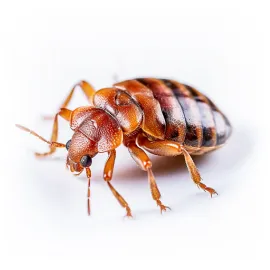
Dark spots are another common sign. These spots are waste material and may appear on sheets, mattress fabric, walls, or furniture near the bed. They can smear when touched. Shed skins are also useful evidence. Bed bugs grow by shedding their outer covering, and those pale, empty skins can remain in hiding places after a meal.
When sorting signs, think about location. A few marks on a pillow may have another cause. Repeated signs along a mattress seam, bed frame joint, and nearby wall are more suggestive. Pest Agent provides pest advice, ranked local exterminator comparisons, and recommended products for handling household pest problems, which can help readers compare the difference between a single clue and a pattern that needs action.
Check Nearby Furniture and Room Edges
Bed bugs do not always stay in bed. Upholstered chairs, sofas, and dressers can become resting places, especially if people sit or sleep there. Inspect seams, cushions, zippers, and the underside of furniture. Look where fabric is tucked, where legs attach, and where drawers slide against frames.
Walls and baseboards also matter. Check cracks, gaps around trim, loose wallpaper, and the space behind a headboard. If the bed touches a wall, insects can move between the frame and the room with little effort. A bed bug inspection guide should include the room edges because treating only the mattress can miss the places that keep the population going.
Do not overlook laundry baskets, pet bedding, and bags. These items can carry insects from one area to another. If they are near the bed, place them in a sealed bag for later washing or careful review. Keep clean and suspect items separate so the response does not spread the problem.
Record What Is Found
Good notes can make later decisions easier. Write down where each sign appeared, what it looked like, and whether anything was caught in a sealed bag. Photos can help show the pattern, especially when marks are small. A short record is more useful than a vague memory after the room has been cleaned.
If an insect is collected, place it in a small sealed container rather than crushing it. That can help a qualified professional confirm what it is. Many household pests are mistaken for bed bugs, including carpet beetle larvae and small cockroaches. Correct identification changes the response, so avoid treating every bite or dark mark as proof.
Sites such as pestagent.ca focus on pest advice and product information, which can be useful when trying to understand what has been found. Pest Agent is also a name readers may see when looking for ranked local exterminator comparisons. The value of a record is that it keeps the next decision grounded in evidence from the room.
Contain the Area Without Making a Mess of It
Once signs are found, limit movement in and out of the room. Avoid moving bedding, cushions, or clothing into other spaces unless they are sealed first. If a bag is used, close it before carrying it through the home. This reduces the chance of carrying insects to a hallway, laundry area, or another bedroom.
Washing bedding and clothing can help remove insects and eggs from fabric items. Use the normal care label as a guide, and dry items thoroughly. Heat is useful, but delicate items may need a different approach. If something cannot be washed or dried safely, seal it and set it aside for later review rather than forcing a harsh method that damages it.
Vacuuming can remove visible insects from hard surfaces, cracks, and fabric edges. Use a vacuum with a bag or empty the canister outdoors into a sealed bag afterward. Clean the tool and edges carefully so collected insects do not escape back into the room. Vacuuming is not a full treatment, but it can reduce what is present before a more thorough plan is chosen.
Know What Not to Do Overnight
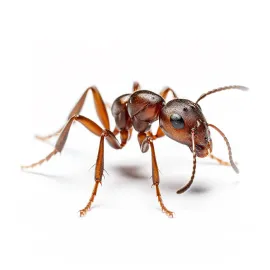
Avoid spraying products broadly around the bed unless the product is clearly labelled for that use and the label is followed exactly. Misused treatments can create safety problems and may push insects into wall spaces or other furniture. Foggers and smoke devices are poor choices for bed bugs because they may not reach hidden insects and can leave residues where people sleep.
Do not sleep in a different room carrying infested bedding or clothing. If sleeping elsewhere is necessary, use clean bedding and avoid bringing suspect items along. Do not pull apart mattresses, cut open seams, or soak furniture. Damage to the bed can create more problems than the inspection solves.
Overnight bed bug response works best when it is calm and methodical. Check the bed closely, look for patterns of evidence, inspect nearby furniture, record what is found, and contain suspect items. Pest Agent provides pest advice, ranked local exterminator comparisons, and recommended products for handling household pest problems, so the next step can be based on clear information rather than guesswork. A careful morning review can then support a proper identification and treatment decision.
 Facebook
 Instagram
 YouTube